

When lower back pain becomes chronic and non-surgical treatments no longer bring relief, lumbar fusion may be an effective solution. As one of the most common and successful spine surgeries performed today, lumbar fusion helps stabilize the spine, reduce pain and restore quality of life for patients with certain spinal conditions.
What Is Lumbar Fusion?
Lumbar fusion (sometimes called spinal fusion) is a surgical procedure that permanently connects two or more vertebrae in the lower (lumbar) spine. By eliminating painful motion between the affected vertebrae, fusion can significantly reduce or eliminate symptoms caused by spinal instability, degenerative changes or deformity.
During the procedure, the surgeon removes the damaged disc or tissue between vertebrae and replaces it with a bone graft or implant that encourages the bones to grow together, forming one solid unit over time. This “fusion” helps stabilize the spine and relieve pain caused by movement or nerve irritation.
 When Is Lumbar Fusion Recommended?
Lumbar fusion is not a first-line treatment — it’s typically considered only after conservative care such as physical therapy, medications, injections or lifestyle modifications have failed to provide lasting relief.
Patients need to be carefully evaluated, usually using advanced imaging studies and a comprehensive physical exam before surgery is recommended. Common conditions that may require lumbar fusion include:
- Degenerative Disc Disease: When spinal discs lose height and flexibility, causing instability or nerve compression.
- Spondylolisthesis: A condition where one vertebra slips forward over another, leading to pain and nerve symptoms.
- Spinal Stenosis: Narrowing of the spinal canal that puts pressure on the spinal cord or nerve roots.
- Spinal Deformities: Such as scoliosis or kyphosis that affect alignment and balance.
- Fractures or Instability: From trauma or degenerative changes.
- Recurrent Herniated Discs: When prior discectomy or decompression surgeries fail to resolve pain.
Each patient’s spine is unique, and the decision to proceed with fusion depends on multiple factors, including the source of pain, spinal alignment, bone quality and lifestyle goals.
Modern Lumbar Fusion Techniques
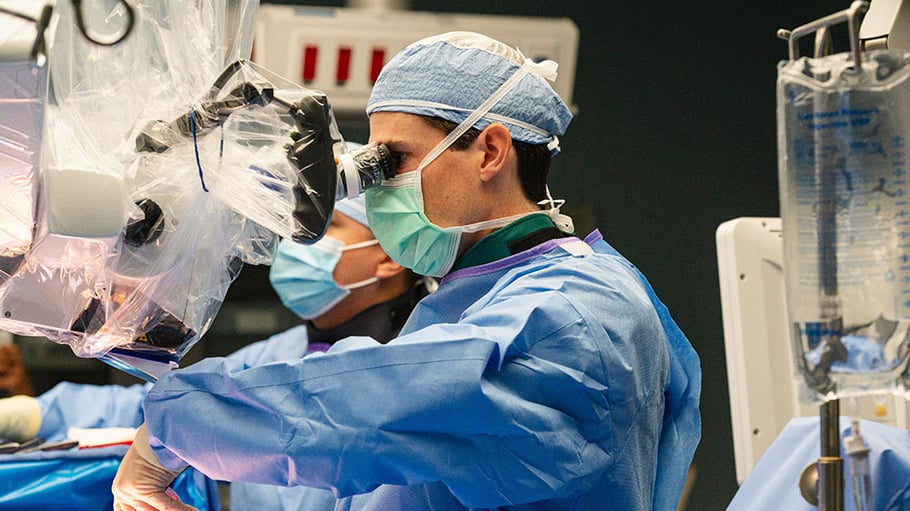
At DISC Sports & Spine Center, our surgeons specialize in the latest minimally invasive and motion-preserving techniques, allowing patients to recover faster and return to activity sooner. Depending on your specific anatomy and condition, your surgeon may recommend one of several fusion approaches:
- Posterior Lumbar Interbody Fusion (PLIF): Performed through an incision in the back, posterior lumbar interbody fusion allows the surgeon to remove the damaged disc and place bone grafts or cages between the vertebrae, with additional screws and rods for stabilization.
- Transforaminal Lumbar Interbody Fusion (TLIF): Similar to posterior lumbar interbody fusion but done from a slightly off-center approach, transforaminal lumbar interbody fusion provides excellent access to the disc space while minimizing muscle disruption. It’s a common choice for single-level fusion and offers good long-term outcomes.
- Lateral Lumbar Interbody Fusion: This minimally invasive approach accesses the spine from the patient’s side, avoiding large back muscles and reducing recovery time. It’s particularly useful for deformity correction and degenerative conditions.
- Anterior Lumbar Interbody Fusion (ALIF): Performed through a small incision in the abdomen, anterior lumbar interbody fusion provides direct access to the front of the spine. This allows surgeons to place larger implants that restore disc height and maintain natural spinal alignment.
- Minimally Invasive Fusion (MIS Fusion): Using advanced imaging and specialized instruments, minimally invasive techniques allow surgeons to perform lumbar fusions through small incisions with less muscle damage, minimal blood loss, and faster rehabilitation.
Each approach offers unique advantages, and your surgeon will determine the best option based on your anatomy, diagnosis, and overall health.
reduce pain and restore quality of life for patients with certain spinal conditions.

What to Expect After Lumbar Fusion
Recovery after lumbar fusion varies by patient and surgical approach, but modern techniques have made it more efficient and comfortable than ever. Typical recovery milestones include:
- First few weeks: Gradual increase in activity with walking and gentle movement encouraged early.
- First 3 months: Focused physical therapy to rebuild strength, mobility and posture.
- 3–12 months: Bone fusion continues to solidify; most patients return to normal activities and even low-impact sports.
Pain control, wound care and activity guidelines will all be closely managed by your surgical team to promote the best possible outcome.
Why Choose DISC Sports & Spine Center for Lumbar Fusion
At DISC, our spine surgeons are pioneers in minimally invasive and motion-preserving spine surgery, performing thousands of successful procedures each year. Our integrated care model combines orthopedic spine surgery, pain management, physical therapy, and diagnostics under one roof — ensuring you receive the highest level of care every step of the way.
We’re also leaders in outpatient spine surgery, performing many fusions at our state-of-the-art ambulatory surgery centers. Patients benefit from:
- Shorter recovery times
- Lower infection risk
- Reduced costs compared to hospital stays
- Personalized, concierge-level care
From diagnosis to rehabilitation, our goal is simple: to help you return to the active, pain-free lifestyle you love.
If back pain has become a daily struggle, it may be time to explore your options. At DISC Sports & Spine Center, our experts will help you understand whether lumbar fusion, or another advanced treatment, is right for you.
Call today or schedule a consultation online to learn more about your spine health and discover how our specialists can help you move with confidence again.