
Expert evaluation and personalized care plans designed to identify the cause of back pain and restore function.


Back pain is one of the most common reasons people seek medical care, but it is not a diagnosis on its own. The term “back pain” describes a symptom that can originate from muscles, joints, discs, nerves, or spinal alignment issues.
Because multiple structures in the spine can cause similar pain patterns, effective treatment depends on identifying which structures are actually responsible. Treating back pain without understanding the cause often leads to temporary relief followed by recurring symptoms.


Board-certified spine specialists
Conservative-first, surgical-ready care
Minimally invasive focus
Outpatient-first model
Multiple Southern California locations & WPB
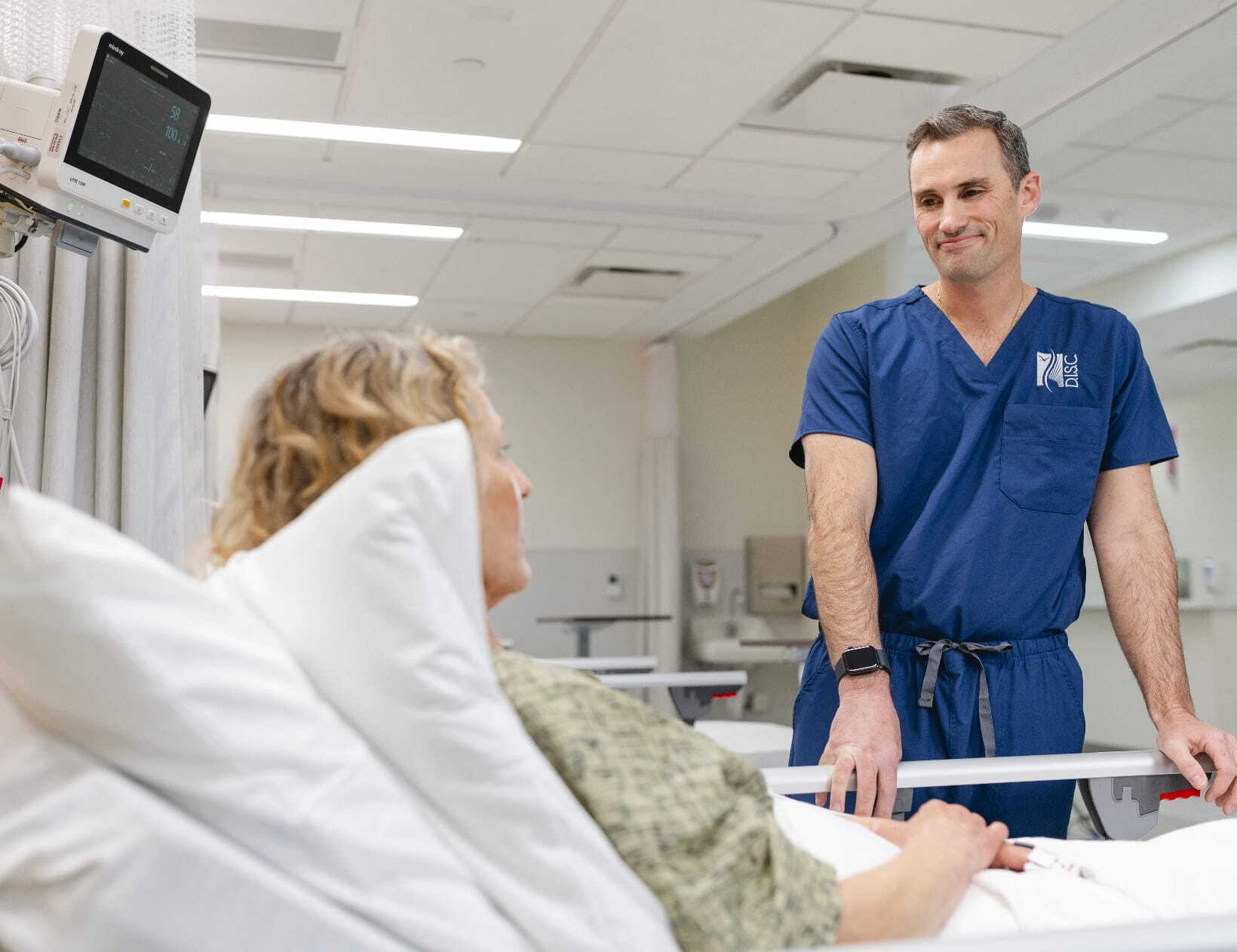
Recurring or chronic back pain is frequently the result of unresolved mechanical or structural contributors rather than a single injury that never healed.
Common reasons back pain returns include incomplete treatment of the original cause, compensatory movement patterns that overload certain areas of the spine, muscle imbalance or core weakness, and progressive degenerative changes. Returning to activity before proper recovery can also contribute to repeated flare-ups.
Addressing these underlying factors is key to long-term relief.
Back pain can develop from one or more overlapping causes, which is why a thorough evaluation is essential.
Common contributors include:
Muscle or ligament strain
Herniated or bulging discs
Degenerative disc disease
Facet joint arthritis
Spinal stenosis
Postural or movement-related dysfunction
Prior spine injury or surgery
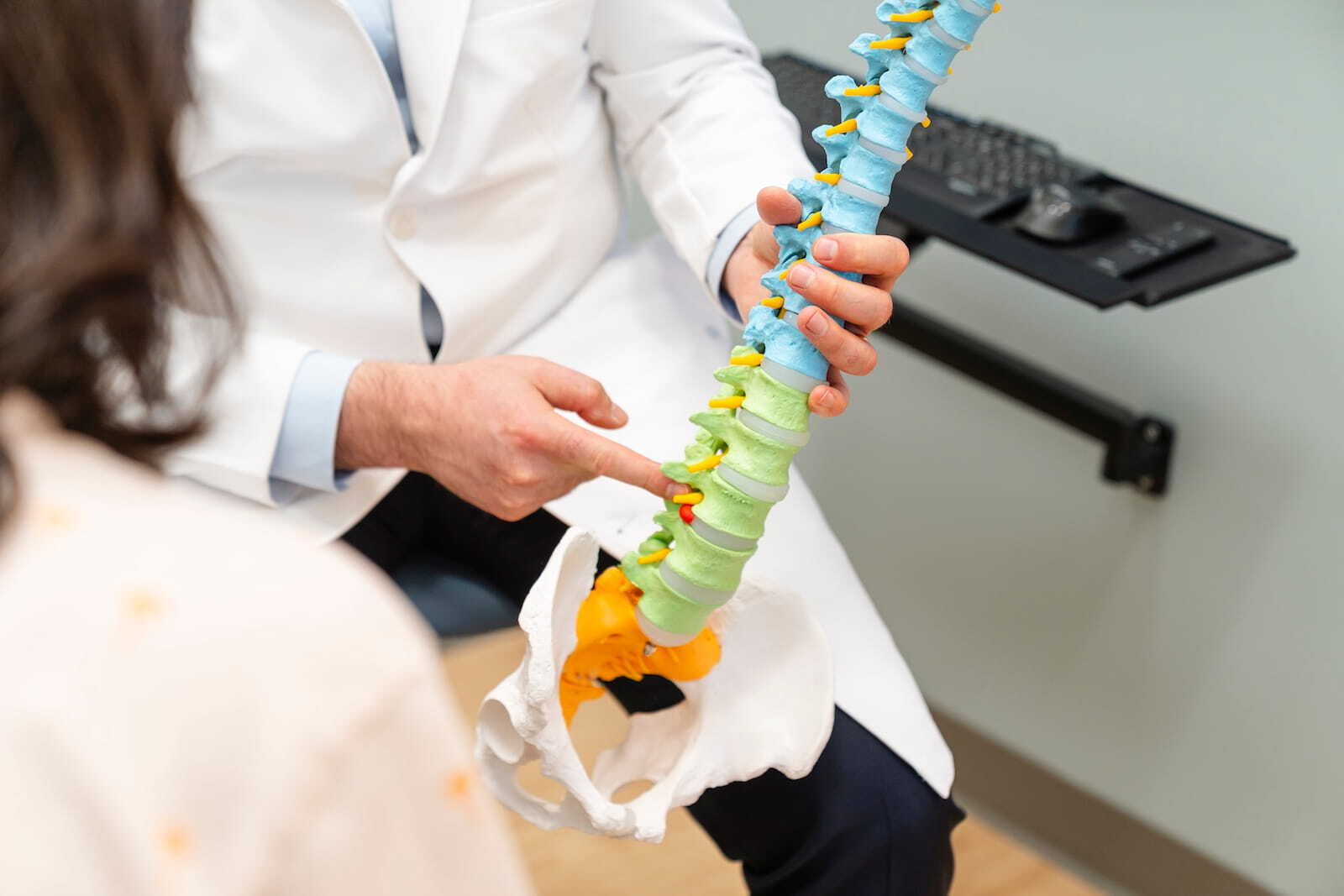
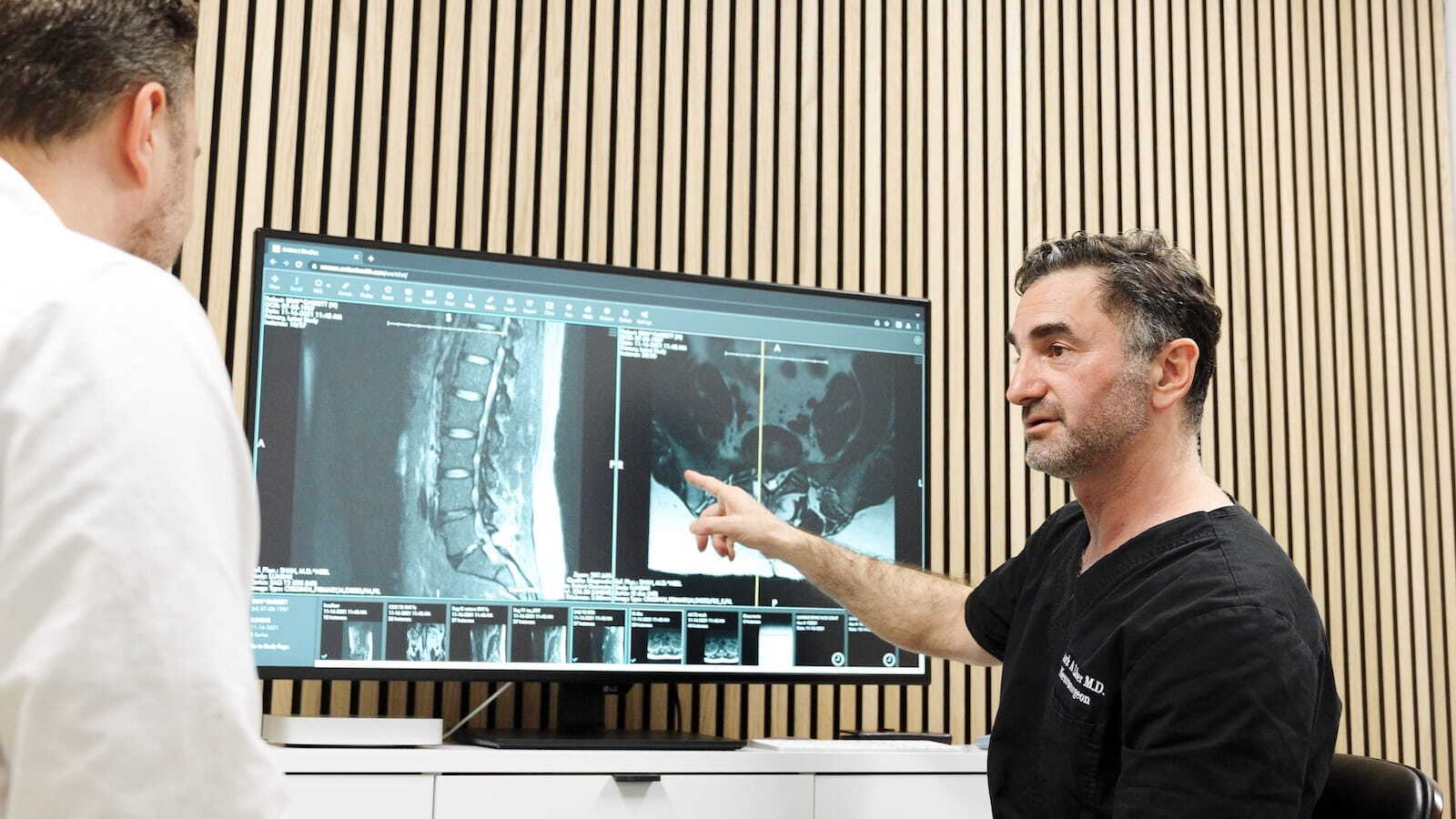
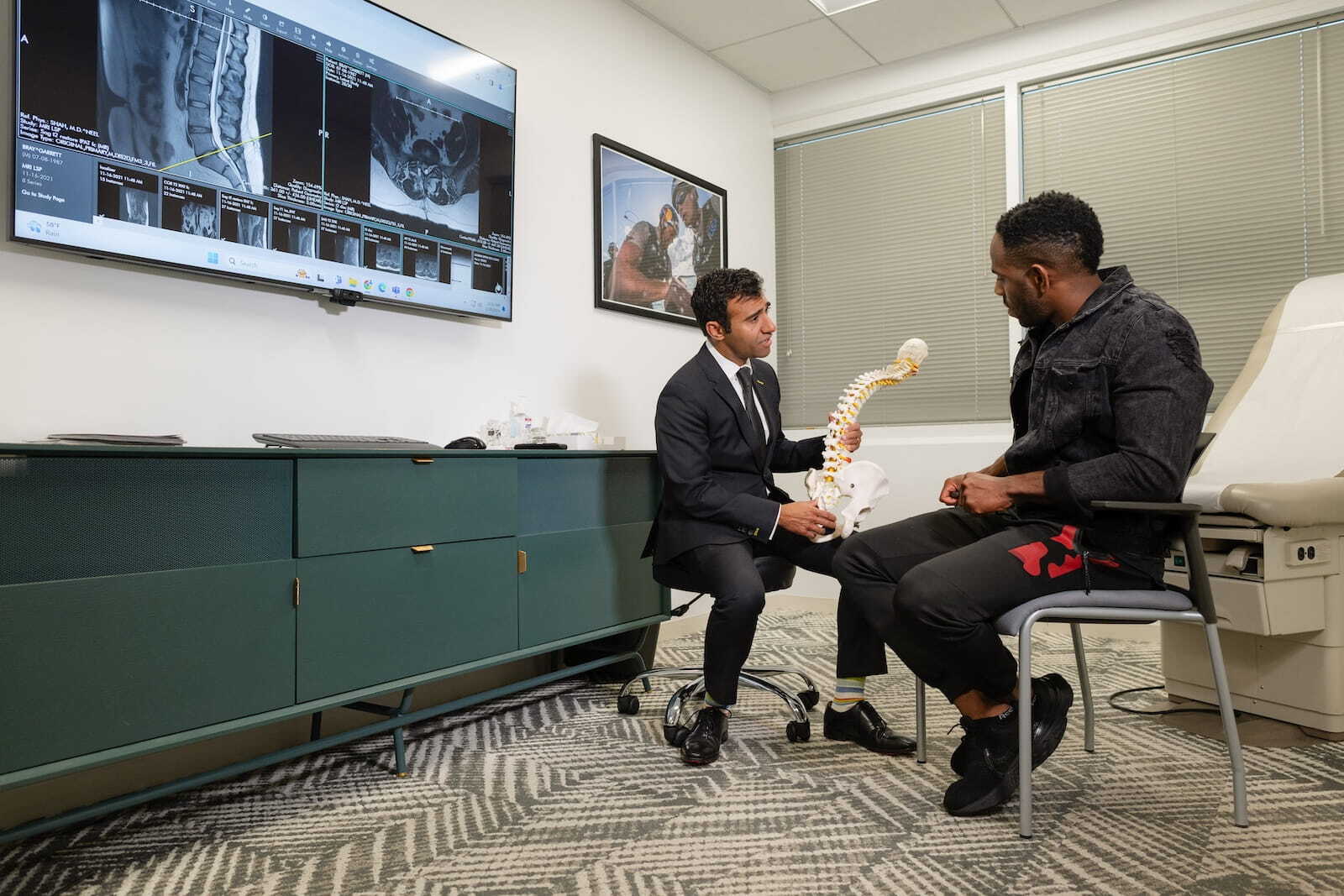
Diagnosing back pain at DISC begins with understanding how your pain behaves, not just what imaging shows. Many spine findings are common and do not always cause symptoms, which makes clinical correlation critical.
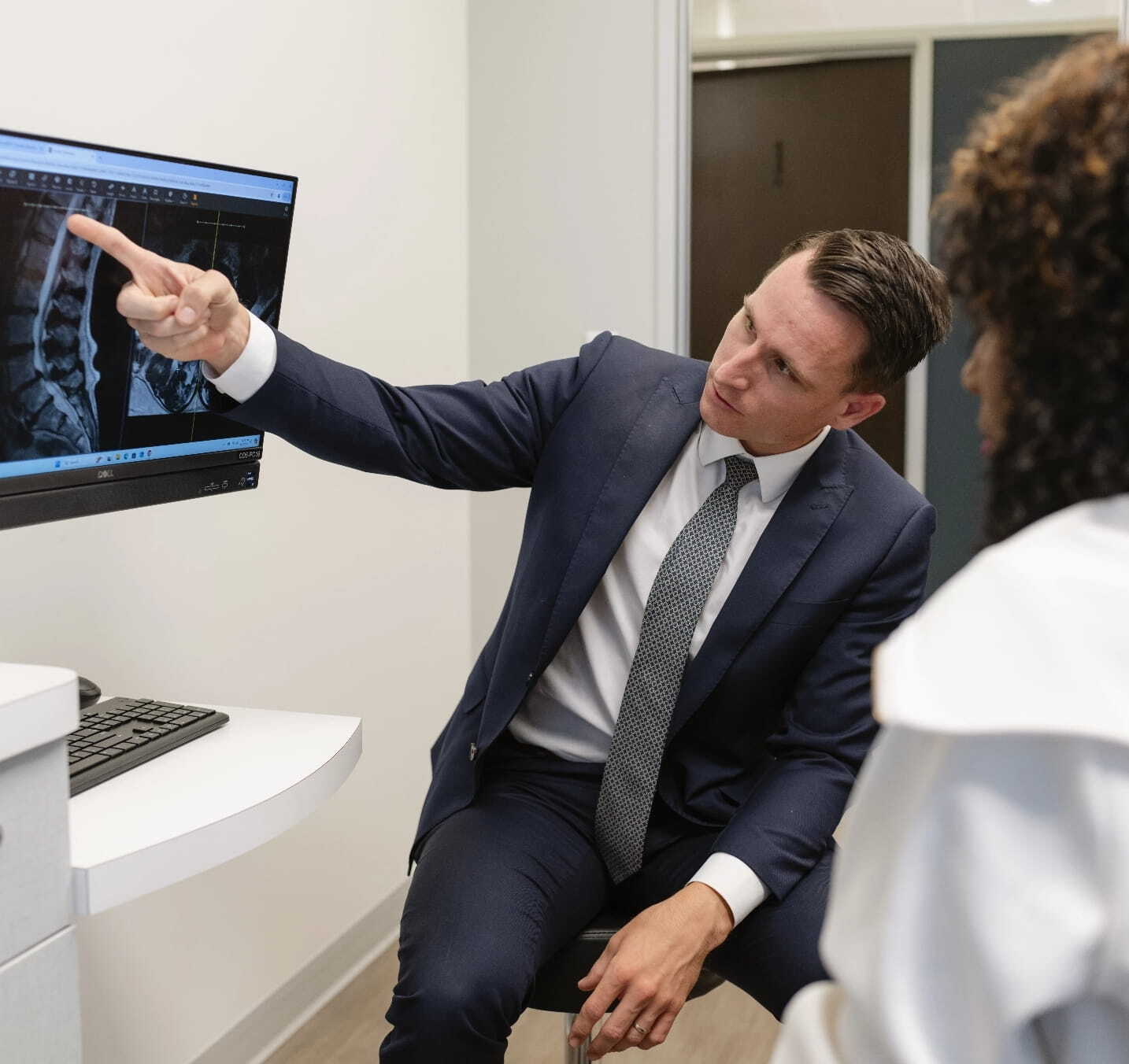
Evaluation includes a detailed symptom history, physical and neurologic examination, and movement assessment. Imaging such as MRI, CT scans, or X-rays may be used when appropriate to better understand disc, joint, and nerve structures.
Our process starts with a comprehensive consultation and advanced imaging to accurately identify the source of your pain.





Most back pain improves with properly targeted non-surgical care. Treatment focuses on reducing pain, restoring movement, and preventing recurrence.
Non-surgical options may include:
Physical therapy focused on strength, mobility, and movement quality
Image-guided injections when inflammation or nerve irritation is present
Pain management strategies to support functional recovery
Activity modification and prevention planning
Advanced treatment for back pain is considered only after appropriate conservative care has been tried and when a clear structural contributor has been identified. The goal is not escalation for its own sake, but targeted intervention when symptoms continue to limit function or quality of life.
Depending on the cause of back pain, advanced treatment options may include image-guided procedures to address inflammation or nerve irritation, minimally invasive techniques to relieve pressure on spinal nerves, or stabilization approaches when spinal movement is contributing to pain. These options are evaluated carefully to ensure they align with the specific condition causing symptoms.
At DISC, advanced treatment focuses on precision and preservation. Whenever possible, care emphasizes minimally invasive and motion-preserving approaches performed in outpatient settings, with the intent of reducing recovery time and supporting long-term spinal health.
Patients choose DISC because back pain care is built around accuracy, coordination, and long-term outcomes. Rather than treating pain in isolation, DISC evaluates how spinal structures, movement patterns, and nerve function interact to identify the true source of discomfort.
Care follows a conservative-first approach with clear decision-making at every stage. When advanced treatment is necessary, DISC’s outpatient-focused model allows patients to receive specialized spine care with an emphasis on safety, recovery, and continuity.
Integrated spine, orthopedic, and pain management teams
Conservative-first approach with advanced care available when needed
National leaders in minimally invasive spine care
Purpose-built outpatient surgery centers
Coordinated care from diagnosis through recovery

0%
POSITIVE PATIENT
SATISFACTION RATING
0+
PROCEDURES
0+
YEARS SINCE
FOUNDING