


If you're reading this, you're likely among the millions who wake up with a stiff neck, struggle to turn their head, or feel persistent discomfort that makes everyday tasks exhausting. Neck pain can disrupt your sleep, limit your mobility, and diminish your quality of life—but here's what you need to know: the right treatment isn't about masking symptoms. It's about understanding the precise cause and addressing it with personalized care.
At DISC, we recognize that your neck pain is unique, which is why we've built a comprehensive diagnostic and treatment ecosystem designed around you. From your initial consultation through state-of-the-art diagnostic imaging and breakthrough treatment technologies, access to board-certified orthopedic and spine specialists, targeted pain management, and personalized rehabilitation, every step of your care journey is connected and coordinated under one roof. This integrated approach means you won't navigate multiple disconnected appointments. Instead, you'll experience a seamless continuum of care guided by world-class physicians who communicate as one team.
This is care without compromise—where exceptional outcomes meet compassionate guidance at every step.
By the end of this article, you'll have clarity on what type of neck pain treatment aligns with your specific condition, so you can move forward with confidence toward lasting relief and recovery.
Understanding the Root Cause of Neck Pain
Not all neck pain is created equal, and understanding the distinction is essential to finding the right treatment. Muscle strain typically results from overuse, poor posture, or sudden movements. It causes localized pain and stiffness that often improves with rest and conservative care. Nerve compression, on the other hand, occurs when herniated discs, bone spurs, or spinal stenosis put pressure on the nerves exiting the cervical spine. This causes radiating pain, numbness, tingling, or weakness that travels down the shoulder, arm, or hand. Structural issues such as degenerative disc disease, arthritis, or spinal instability involve changes to the spine's bones, discs, or joints that can cause chronic pain, reduced range of motion, and progressive deterioration if left unaddressed. At DISC, precise diagnosis through advanced imaging and expert evaluation helps distinguish between these conditions, ensuring your treatment targets the true source of your pain rather than just the symptoms.
Common causes of neck pain include:
- Poor posture or “tech neck”: Strain caused by prolonged forward head position, often from looking down at phones or screens, which overloads neck muscles and ligaments.
- Herniated or bulging discs: When the soft inner material of a spinal disc pushes outward, it can compress nearby nerves and cause pain, numbness, or weakness.
- Degenerative disc disease: Age-related wear and tear that leads to disc dehydration and loss of height, reducing flexibility and increasing stress on the cervical spine. This is often related to herniated or bulging discs.
- Spinal misalignment or injury: Traumatic events or repetitive strain that shift the spine’s natural alignment, irritating nerves and limiting motion.
- Arthritis or bone spurs: Chronic inflammation or joint degeneration that triggers bony overgrowths, which can narrow the spinal canal and pinch nerves.
Accurate diagnosis is the foundation of effective neck pain treatment because treating the wrong condition—or guessing at the cause—can delay relief, worsen symptoms, or lead to unnecessary procedures. At DISC, advanced imaging technologies like MRI and CT scans, combined with comprehensive physical examinations by board-certified specialists, pinpoint the exact source of your pain so your treatment plan addresses the root cause from day one.
How Diagnosis Guides the Right Treatment
Effective neck pain treatment begins with a consultative, data-driven approach that prioritizes understanding over assumptions. At DISC, your diagnostic process includes advanced imaging like MRI and CT scans that show the precise condition of your discs, nerves, and soft tissues. From there, our specialists meet to review your results together and map out the best treatment plan for you.
This precision matters because symptom similarity doesn't guarantee treatment uniformity. Two patients presenting with the same neck pain and stiffness can require completely different interventions: one may benefit from targeted physical therapy to strengthen supporting muscles and improve posture, while another with nerve compression from a herniated disc may need minimally invasive disc replacement surgery to restore function and prevent further damage. By anchoring treatment decisions in objective data and expert consensus rather than trial-and-error approaches, DISC ensures you receive the right care at the right time—avoiding both undertreatment that prolongs suffering and overtreatment that exposes you to unnecessary risks.
Non-Surgical Neck Pain Treatments That Work
At DISC, our approach always begins with conservative, non-surgical treatments whenever possible. For patients who may find relief from non-invasive care, we offer a range of evidence-based therapies can provide significant relief and restore function.
Physical Therapy and Exercise
Physical therapy helps restore strength, balance, and flexibility so your neck can move freely again. At DISC, rehabilitation begins with a close look at how your posture, muscle tone, and movement patterns affect your spine. Your therapist designs targeted exercises that build support around the cervical spine and correct the imbalances that cause strain. Through guided motion and hands-on care, you learn safer ways to move and prevent future injury. This personalized approach not only relieves pain but also helps you regain confidence in your everyday activities.
Physical therapy is especially effective for patients with mild to moderate neck pain, those recovering from whiplash or other soft tissue injuries, and individuals whose discomfort stems from muscle weakness, posture problems, or repetitive strain rather than structural damage. These sessions emphasize gradual progress to improve flexibility, reduce inflammation, and strengthen the muscles that stabilize the spine.
At DISC, in-house rehabilitation specialists work closely with your diagnostic and medical team to ensure your therapy program aligns with your condition and recovery goals. This collaboration allows for continuous communication about your progress and adjustments to your plan as you improve, ensuring every step moves you closer to lasting relief and full function.
Medications and Injections
Medications and injections provide targeted relief that helps manage symptoms while supporting your body's healing process. Anti-inflammatory drugs reduce swelling and discomfort, while corticosteroid injections deliver concentrated medication directly to affected joints or nerve roots for more immediate, localized relief. Targeted nerve blocks can both diagnose the pain source and interrupt pain signals simultaneously.
These treatments excel at addressing acute symptoms but typically offer temporary rather than permanent solutions. For conditions like muscle strain or short-term inflammation, this relief may be all you need to fully recover. However, chronic issues such as degenerative disc disease or persistent nerve compression often require a broader strategy. Your DISC care team can determine whether additional treatments are needed for lasting resolution.
Chiropractic and Manual Therapy
Chiropractic care and manual therapy is the application of spinal adjustments, traction, and myofascial release techniques to improve alignment, reduce muscle tension, and restore mobility in the cervical spine. These approaches can be effective for neck pain caused by joint stiffness, muscle spasms, or minor misalignments that restrict movement and create discomfort. However, these therapies aren't appropriate for everyone. Manual therapy works best for mechanical issues without significant structural damage such as posture-related pain or soft tissue dysfunction. It should be avoided or approached with extreme caution in patients who have severe disc herniation, spinal instability, fractures, or advanced degenerative conditions. In these cases, manipulation could worsen nerve compression or cause further injury. The experts at DISC can provide clear guidance on whether chiropractic and manual therapy is safe and appropriate for your specific condition.
Pain Management Options
Epidural injections deliver targeted medication to reduce nerve inflammation and pain in cases of disc herniation or spinal stenosis. At DISC, these advanced therapies are available in-house and integrated seamlessly into your care plan based on your precise diagnosis.
When Surgery Is the Right Option for Neck Pain?
For many people, the idea of spine surgery can feel daunting. The encouraging news is that most neck pain improves with conservative care. However, some conditions do not respond fully to physical therapy, medications, or injections and may require a closer look. Persistent pain that continues despite these treatments often signals a deeper structural issue that needs a more definitive solution.
Warning signs such as arm weakness, tingling, or numbness suggest that a compressed nerve is no longer tolerating pressure safely. If left untreated, this can lead to permanent loss of strength or sensation. Imaging studies like MRI or CT scans sometimes reveal disc herniation or spinal cord compression that must be surgically relieved to protect nerve function and prevent long-term damage.
At DISC, surgery is never the first step—it becomes an option only when other treatments can no longer provide lasting relief. When that time comes, your care team will explain every detail of the surgical plan with clarity and compassion, helping you understand exactly why surgery is appropriate and how it can help you return to motion and quality of life.
Surgical options
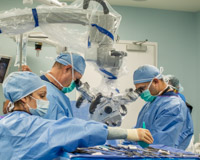
When conservative treatments cannot address the underlying structural problem, surgery becomes the most effective pathway to lasting relief and restored function. At DISC, board-certified spine surgeons specialize in minimally invasive techniques that prioritize motion preservation, faster recovery, and superior outcomes.
- Microdiscectomy and decompression techniques remove herniated disc material or bone spurs pressing on spinal nerves or the spinal cord, relieving pain, weakness, and numbness without requiring extensive tissue disruption. These procedures are performed through small incisions using advanced visualization technology, minimizing trauma and accelerating recovery.
- Artificial disc replacement (ADR) removes the damaged cervical disc and replaces it with a prosthetic device that maintains natural neck motion, allowing you to move freely without the stiffness that can accompany fusion. This option is ideal for single-level disc degeneration where preserving mobility is a priority.
- Cervical spine fusion stabilizes the neck by joining two or more vertebrae together, eliminating painful motion at the affected segment. While fusion reduces mobility at the treated level, it's often the most appropriate choice for multi-level disease, severe instability, or cases where disc replacement isn't feasible.
Your surgical plan is never predetermined. At DISC, spine surgeons prioritize minimally invasive approaches that preserve your natural neck motion whenever possible. Your plan is built around your specific diagnosis, lifestyle needs, and treatment goals through collaborative consultation with your DISC care team. DISC’s integrated surgical team designs the least invasive, motion-preserving plan possible
Recovery and Long-Term Neck Health
Recovery doesn't end when the bandages are removed. Recovery continues until you've regained full function and the confidence to live without limitation. At DISC, structured rehabilitation programs rebuild strength and mobility while addressing the habits that may have contributed to your neck pain.
Post-treatment physical therapy is tailored to your specific procedure or conservative care plan, guiding you safely from healing to full restoration. Ergonomic adjustments such as workstation modifications, improved sleep posture, and proper body mechanics correct patterns that strain the cervical spine. Lifestyle changes including targeted exercises, stress management, and weight maintenance support long-term spine health and reduce recurrence risk.
Regular follow-ups with your care team are important to monitor progress and address any concerns early to ensure your recovery stays on track. Through ongoing patient education, you gain the knowledge and tools to protect your neck health well beyond treatment, reflecting DISC's commitment to guiding you toward complete functional recovery.
Why Choose DISC for Neck Pain Treatment
Effective neck pain treatment requires a coordinated approach that guides you from consultation through complete recovery—not a series of disconnected appointments with multiple providers. At DISC, you receive care without compromise. Every step focuses on helping you recover faster, regain confidence, and return to the life you enjoy.
DISC delivers the full continuum of care under one roof—consultation, advanced diagnostic imaging, treatment, and rehabilitation. This integrated model creates a seamless, concierge-level experience where every specialist involved in your care understands your history, progress, and goals. Each phase connects purposefully to the next, ensuring nothing is left to chance.
Your treatment is designed by a multi-specialty team that includes board-certified spine surgeons, orthopedic specialists, pain management physicians, and sports medicine experts. This collaboration ensures your diagnosis is accurate, your options are comprehensive, and your care addresses the root cause—not just the symptoms.
Every decision is grounded in evidence-based medicine and tailored to your specific condition and lifestyle, reflecting DISC’s commitment to world-class expertise, breakthrough innovation, and compassionate guidance from your first consultation through full recovery.
Take the First Step Toward Neck Pain Relief
You don't have to live with neck pain, and you don't have to navigate treatment options alone. DISC's comprehensive diagnostic approach will uncover the true cause of your discomfort and match you with the treatment that delivers lasting relief. Schedule a consultation today and experience the clarity, expertise, and compassionate care that sets DISC apart.
About the author
discmdgroup DISC Sports & Spine Center (DISC) is a national leader in minimally invasive spine surgery, orthopedic surgery, and sports medicine care. Our spine surgeons set the standard in artificial disc replacement, spine fusion, discectomy, microdiscectomy and the full spectrum of spine procedures. The group’s orthopedic surgeons advance the state of joint preservation surgery and total joint replacement, including total knee replacement as well as total hip replacement. Our flagship surgery centers based in Newport Beach, Marina del Rey, and Carlsbad serve patients local to Los Angeles, Orange County and San Diego, as well as the rest of the country. Read more articles by discmdgroup.